What is CPCR: How It Works and When to Act Fast
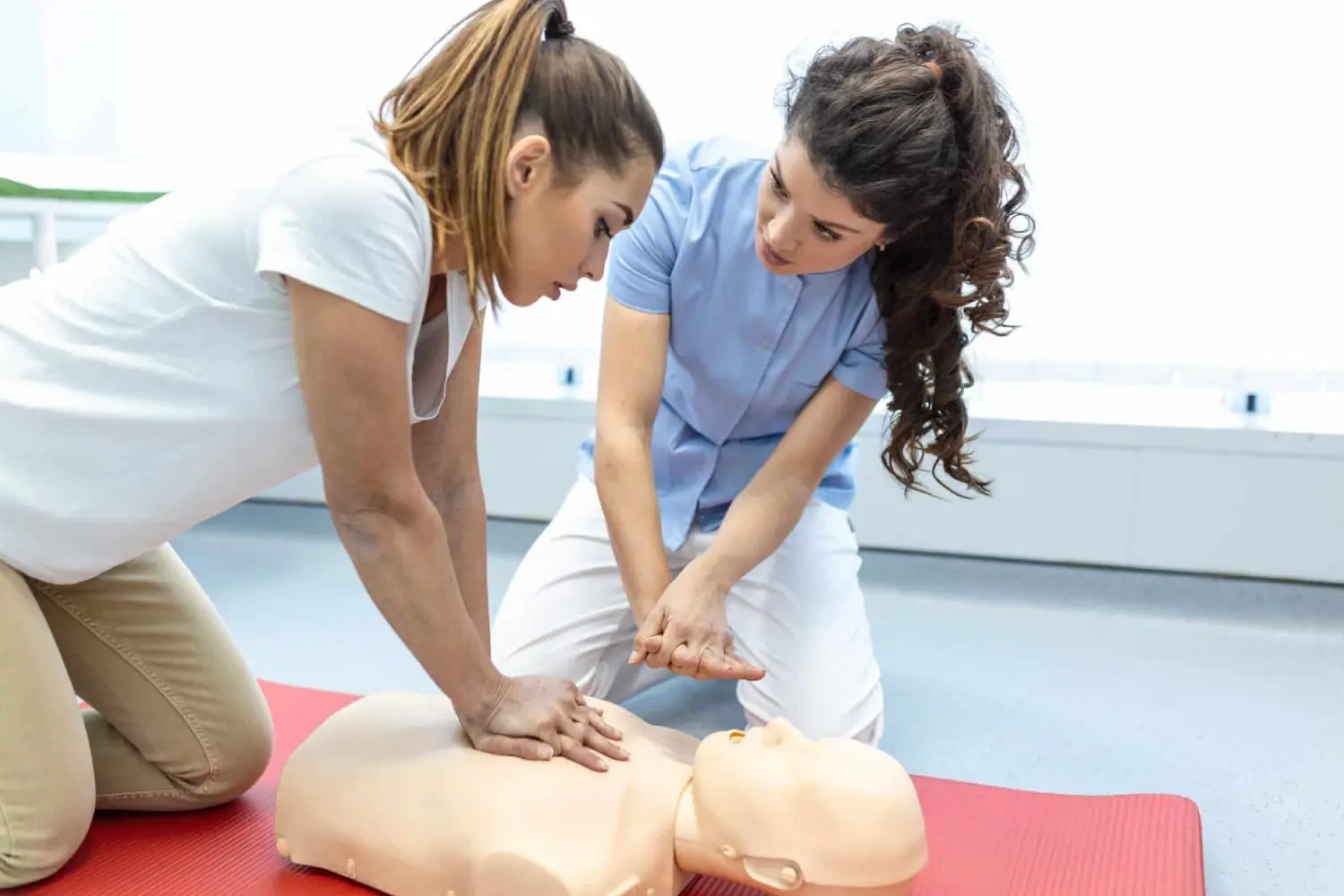
Medical emergencies can occur at any moment. Medical professionals must respond instantly to these emergencies because their quick decisions determine whether patients survive or die. The CPCR procedure provides emergency responders with a life-saving medical technique that they can use to revive patients who need urgent assistance.
The combination of three elements essential to CPCR requires people to learn about its function. The process needs people to learn about CPCR which they need to understand because it requires quick action.
What is CPCR?
The term CPCR describes a resuscitation technique that restores heart and lung function while protecting brain activity. The method uses advanced CPR techniques to provide oxygenated blood flow to the human brain during cardiac or respiratory failure.
CPCR requires medical experts who operate special hospital equipment to execute the procedure. The most effective way to improve patient results happens through bystander CPR which medical staff should perform before doctors arrive.
How CPCR Works
CPCR functions to restore blood circulation together with respiratory function and brain oxygenation when a person experiences cardiac arrest. The process involves several coordinated steps:
- Chest Compressions: Medical staff use constant chest compressions to propel blood through the heart which results in oxygen distribution to essential body parts especially the brain.
- Airway Management: Medical professionals use bag-mask ventilation and intubation to provide oxygen through their advanced airway management techniques.
- Defibrillation: An electric shock gets delivered to the heart when it exhibits abnormal rhythms to return the heartbeat to its regular pattern.
- Medications: Medical staff use emergency drugs to establish stable heart rhythms and maintain appropriate blood pressure levels.
- Brain Protection: The system protects the brain from permanent damage through continuous oxygen supply and managed blood flow.
When to Act Fast
The most essential element of any emergency situation stems from its time-based challenges. The brain starts to sustain damage after 4 to 6 minutes of cardiac arrest because oxygen supply stops. The most effective method to improve survival chances requires immediate medical intervention.
You should act fast and seek emergency medical care if a person shows signs such as:
- The person suddenly collapses or loses consciousness
- The person shows no breathing signs but makes unusual gasping sounds
- The person shows no sign of a heartbeat
- The person experiences extreme chest pain and then becomes unresponsive
The situation requires you to take these steps:
- You need to contact emergency services without delay
- If you possess CPR training you should start CPR
- You must go to the closest hospital which has advanced CPCR treatment available
Why Early CPCR Matters
Early CPCR execution together with its efficient implementation results in increased survival probabilities while decreasing instances of permanent brain impairment.
Hospitals that possess advanced emergency care units together with their qualified medical staff and cutting-edge life support technology can deliver immediate CPCR services which help patients reach better recovery results.
Final Thoughts
Medical emergencies require CPCR which serves as a vital procedure to safeguard heart, lung and brain function.
People who understand emergency situations need to respond rapidly while they should seek immediate help from experts to protect their lives from potential threats. Emergency situations require you to depend on a medical facility which can respond to your needs without wasting time.