Heart Bypass Surgery: Preparation, Procedure, Recovery, and More
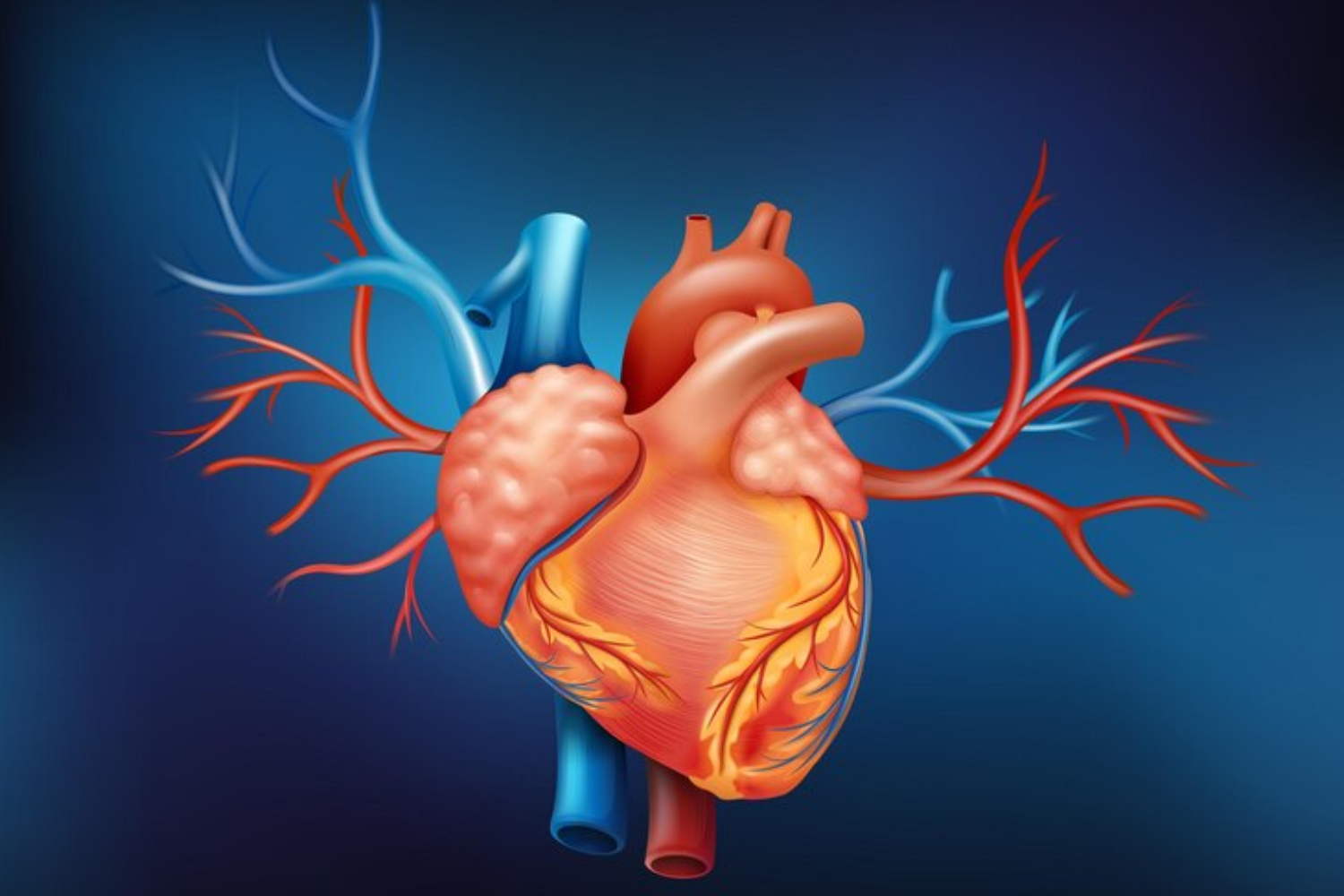
Heart bypass surgery, also known as Coronary Artery Bypass Grafting (CABG), is one of the most trusted and effective treatments for severe coronary artery disease. When the arteries supplying blood to the heart become blocked or narrowed due to plaque buildup, patients may experience chest pain, fatigue, breathing difficulty, or even life-threatening heart attacks. In such situations, bypass surgery helps restore normal blood flow, protecting the heart and improving long-term health.
Understanding the preparation, surgical steps, and recovery process can greatly reduce anxiety and help you or your loved ones feel more confident before undergoing the procedure.
Heart Bypass Surgery Explained
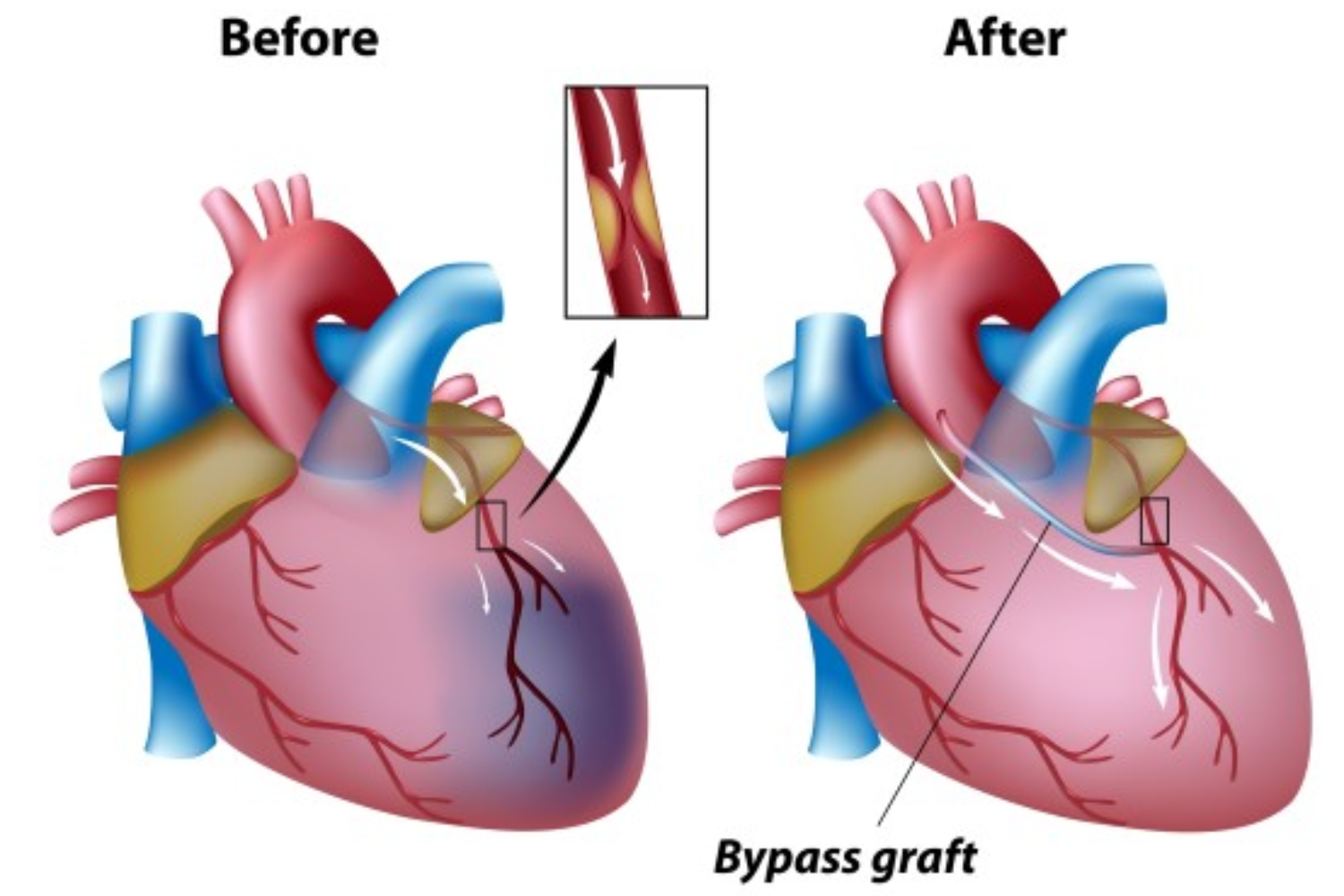
In heart bypass surgery, doctors create a new pathway for blood to reach the heart muscle. They do this by taking a healthy blood vessel—usually from the leg, arm, or chest—and grafting it around the blocked section of the coronary artery. This new route allows oxygen-rich blood to reach the heart without obstruction.
CABG is especially beneficial for patients with:
- Multiple blocked coronary arteries
- Severe artery narrowing
- Previous unsuccessful angioplasty or stent procedures
- Chronic chest pain or reduced heart function
Heart Bypass Surgery Preparation
Proper preparation is essential for a smooth procedure and faster recovery. At Siddhivinayak Hospital, the cardiac care team performs a series of evaluations to ensure the best outcomes for every patient.
Pre-surgery preparation typically includes:
- Detailed review of medical history, current health conditions, and medications
- Diagnostic tests like ECG, blood tests, echocardiography, chest X-ray, and angiography
- Lifestyle recommendations such as quitting smoking, adopting a heart-healthy diet, and controlling blood pressure and sugar levels
- Clear guidance on what to expect during the surgery and recovery period
- Fasting for about 8–12 hours before surgery
How Heart Bypass Surgery Is Performed
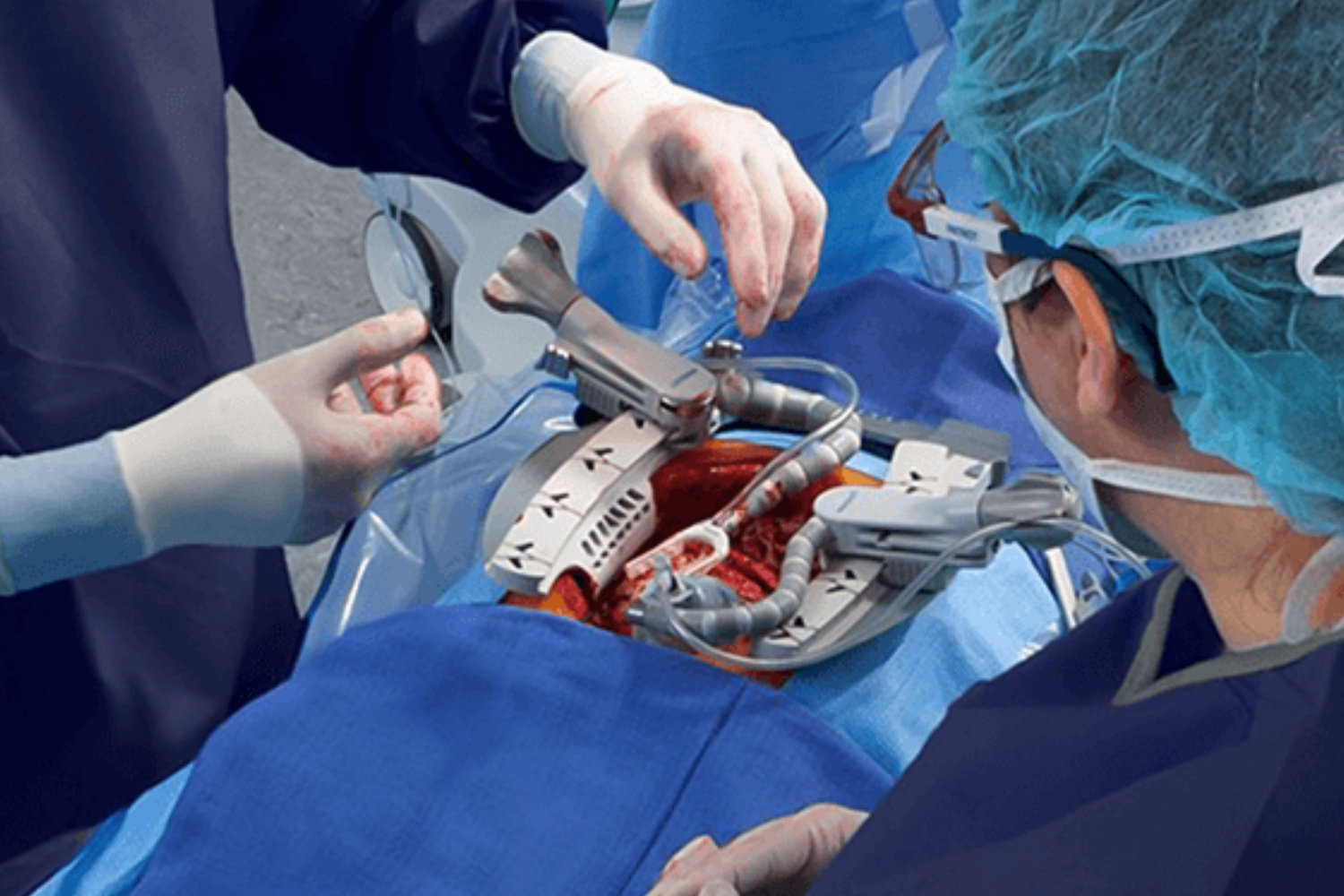
Heart bypass surgery is done under general anesthesia, meaning the patient remains unconscious throughout the procedure. The major steps involved include:
- Incision: A long cut is made along the chest to access the heart.
- Using a Heart-Lung Machine (if needed): The machine temporarily takes over the heart’s pumping function while the heart is stopped. In some cases, surgeons perform the surgery on a beating heart (off-pump CABG).
- Grafting the Blood Vessel: A healthy artery or vein is taken from another part of the body and attached to the blocked coronary artery above and below the blockage.
- Restoring Blood Flow: The new graft allows blood to bypass the blocked area, ensuring uninterrupted oxygen supply to the heart.
- Closing the Incision: The chest is carefully stitched and bandaged.
Heart Bypass Surgery Recovery
Recovery after bypass surgery takes time but leads to a significantly healthier heart. Most patients stay in the hospital for about 5–7 days. The recovery phase includes:
- 1–2 days of close monitoring in the ICU
- Pain management and regular dressing changes
- Breathing exercises to prevent lung congestion
- Guided walking, light stretching, and mobility training
- Gradual return to normal activities with medical supervision
Conclusion
Heart bypass surgery is a proven and life-saving procedure that restores proper blood flow to the heart and prevents future cardiac complications. Siddhivinayak Hospital provides expert cardiac surgeons, advanced technology, and comprehensive post-surgery care to ensure a safe and successful recovery.
If you or someone you care about is preparing for bypass surgery, take comfort in knowing that with the right medical support, a healthier heart and improved quality of life are well within reach.